The food was delicious as expected from Tokyo standards but you have the feeling that you have to eat in a quickly manner and don’t get me started with the ventilation system after 1h of all you can eat bbq your clothes are smelling like if you where the chef it self. 10/10 recommend to come when you are starving and need Meet!
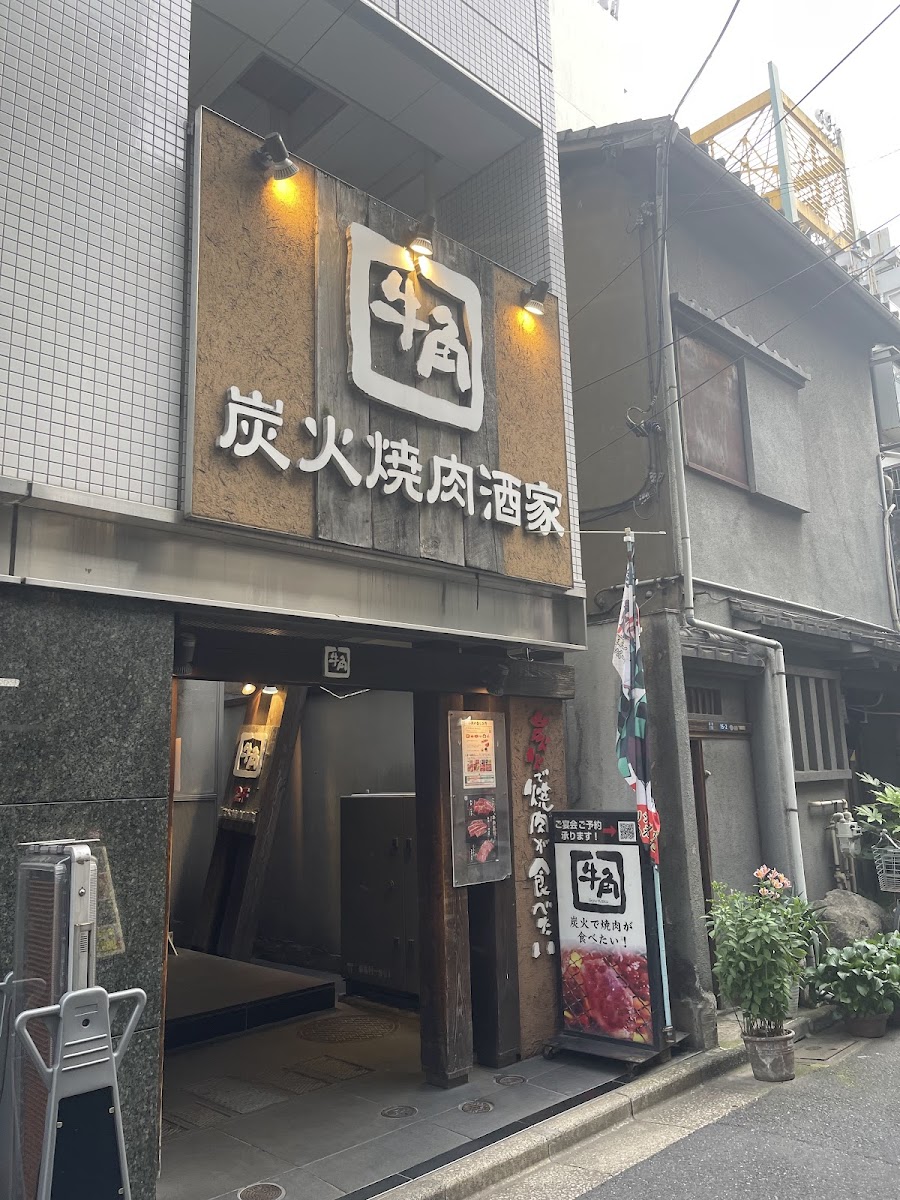
Overview
Walking into Gyu Kaku Shimbashi after a long workday in Tokyo feels like stepping into a well-rehearsed ritual that locals genuinely love. Tucked away on the second floor at Japan, 〒105-0004 Tokyo, Minato City, Shinbashi, 3 Chome−15−3 TKK第2新橋ビル 2F, this yakiniku diner attracts office workers, tourists, and food-focused regulars who know exactly why they’re here: quality grilled meat, consistent service, and an atmosphere that balances energy with comfort.
I’ve eaten at several yakiniku spots across Tokyo, from tiny mom-and-pop grills to high-end wagyu counters, and this location stands out for reliability. On one visit, I arrived with two colleagues around 7 p.m., peak dinner time in Shimbashi. Despite the crowd, the staff moved with impressive efficiency, guiding us through the menu and grill setup without rushing. That hands-on tabletop grilling experience is central here, letting diners control doneness while sharing the meal socially, which is one reason yakiniku remains so popular in Japan.
The menu leans heavily into classic Japanese barbecue staples. Short ribs, harami skirt steak, tongue slices, and marinated chicken are all presented with clear descriptions and suggested cooking times. The beef quality is consistent with what the Gyu-Kaku brand is known for globally. According to data from Japan’s Ministry of Agriculture, wagyu and domestic beef grading standards are among the strictest in the world, which explains the tenderness and marbling you notice right away. When grilled properly over the charcoal flame, even mid-range cuts deliver rich flavor without overwhelming heaviness.
One server explained their recommended grilling method, which I later tested at home with a small tabletop grill. Thin cuts go on first, flipped once, while thicker pieces rest briefly after grilling to retain juices. It’s a simple process, but when followed correctly, the results are dramatically better. That attention to method reflects the chain’s training standards, often cited in industry reports by organizations like the Japan Foodservice Association, which tracks consistency and food safety across nationwide restaurant brands.
Beyond meat, side dishes play a big role. Kimchi, chilled tofu, and garlic rice help balance the richness of the grill. On my last visit, the garlic rice arrived sizzling, mixed tableside for aroma and texture, a small performance that earned smiles from nearby diners. Dessert options like matcha ice cream offer a clean finish, especially after a meat-heavy meal.
Reviews from both Japanese and international diners often highlight value for money, and that aligns with my experience. While not a luxury destination, portion sizes and pricing make it easy to share several dishes without stress. It’s also a practical choice for groups, since menus are designed for sharing and grills are built into every table.
One limitation worth noting is space. Like many Shimbashi restaurants, seating can feel tight during busy hours, and reservations are smart if you’re visiting after work. Ventilation is good, but you’ll still leave with that familiar yakiniku aroma on your clothes, something regulars accept as part of the experience.
What keeps me coming back is the sense of predictability in a good way. You know what you’re getting, and it delivers. As one diner next to us put it, this place never lets you down. Another frequent guest I spoke with described it as a safe bet for introducing friends to yakiniku, which sums it up perfectly. The food, service, and location come together smoothly, making it easy to recommend without hesitation.
Good to know
Service options
✓ Delivery ✓ Takeaway ✓ Dine-inHighlights
✓ All you can drinkPopular for
✓ DinnerAccessibility
✓ Wheelchair-accessible car park ✓ Wheelchair-accessible entrance ✓ Wheelchair-accessible seatingOfferings
✓ Alcohol ✓ All you can eat ✓ Beer ✓ Cocktails ✓ Late-night food ✓ Small plates ✓ Spirits ✓ WineDining options
✓ Dinner ✓ Dessert ✓ Table serviceAmenities
✓ Smoke-free place ✓ ToiletAtmosphere
✓ CasualCrowd
✓ Family friendly ✓ Groups ✓ University studentsPlanning
✓ Dinner reservations recommended ✓ Accepts reservationsPayments
✓ Credit cards ✓ Debit cards ✓ PayPay ✓ Rakuten Pay ✓ Credit cardsChildren
✓ Good for kids ✓ Kids' menuParking
✓ Paid street parkingPhotos
1 / 4
Location
Reviews
- No ratings yet 218 reviews
Yummy food, order quick and order serving sizes which are the same number as the people on the table to get efficient servings of meat! ¥550 extra per person if you want to extend time for all you can eat. All you can eat menu is also more generous than ala carte it seems! Recommended. Ventilation is not great, so it is quite Smokey, as other reviews described! English menu available.
Good selection of meat and other miscellaneous sides. The desserts -- especially the sherbet -- were amazing palate cleansers. Thank you!
Food was quick and tasty. To be honest, me and my family prefer the Gyu Kaku in Montreal. The atmosphere isn’t the same and it felt more festive. To put it briefly, the food is better here in Tokyo, but there are better vibes in Montreal.
Delicious food and quick and friendly service! Great bang for your buck- it will make you want to come back!